Mattress Materials & Sleep Comfort
What to Evaluate in a Naturepedic Organic Mattress
An organic label can be a useful place to start, but it cannot tell you everything about how a mattress feels, how it is built, or whether it will suit your sleep habits. A thoughtful comparison looks beneath the surface: at the support core, comfort layers, cover, certifications, firmness, temperature comfort, and care requirements.
The aim is not to find one universally perfect mattress. It is to understand what each component contributes, then match those details to your body, preferences, room, and budget.
Start with the whole mattress, not one label
When considering a Naturepedic organic mattress, it is natural to begin with the word “organic.” That label can signal that certain materials or stages of production meet a defined standard. But it does not, by itself, describe the mattress’s firmness, pressure relief, motion isolation, temperature feel, or expected lifespan. Those qualities depend on the complete design, including the materials selected and the way they are layered together.
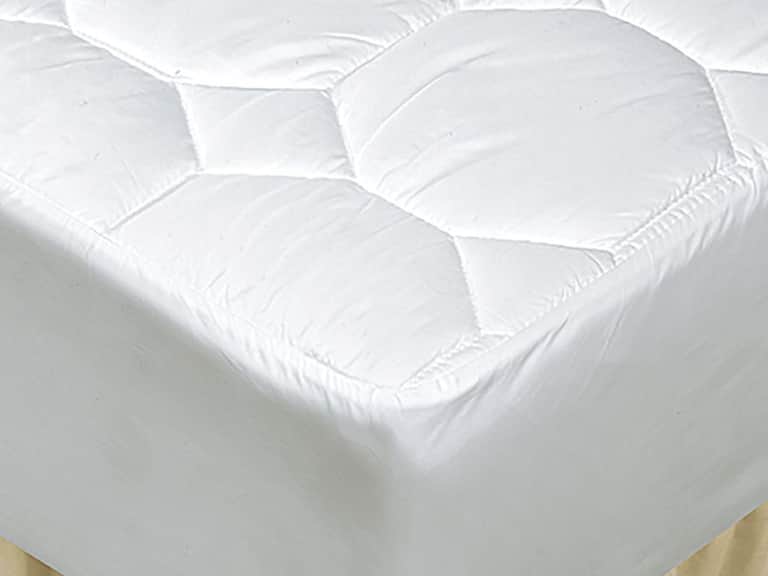
Think of a mattress as a system. The support core forms its structural foundation. Comfort layers sit above that core and influence the initial feel, cushioning, and pressure distribution. The cover is the surface you touch, and may also affect airflow and the way the layers feel through the fabric. A change in any one of these parts can noticeably alter the experience.
Product names and collection descriptions can help you narrow a search, but details should be checked for the exact model and size you are considering. Mattress lines may include different constructions, firmness options, or materials. Confirm the current product specification rather than assuming that one model’s description applies to every mattress from the same brand.
A useful starting question is simple: What problem am I trying to solve? You might want a firmer, more supportive feel; more cushioning at the shoulders; fewer synthetic materials; a cooler surface; or clearer information about chemical and fiber standards. Ranking your priorities makes it easier to compare features without getting swept up in impressive-sounding terminology.
Understand the support core
The support core is the mattress’s underlying structural layer. Depending on the model, it may use springs, latex, or another type of support material. Its job is to help carry body weight and provide a stable foundation for the upper layers. The construction can influence how the mattress responds when you lie down, shift position, or sit near the edge.
If a model uses springs, check what kind of spring system it has and how it is arranged. Individually wrapped coils, for example, can respond more independently than a connected unit, though the overall feel also depends on coil design, surrounding materials, and the comfort layers above. Ask whether the product description gives useful information about the construction, rather than relying on a broad phrase such as “advanced support.”
For a latex support core, look for the specific material named and where it appears in the mattress. The word “latex” alone does not explain how thick the layer is, whether it is the core or a comfort layer, or how the mattress as a whole will feel. Likewise, a mattress may combine materials, so it helps to understand the role each one plays instead of treating a single component as the whole story.
Consider how the mattress behaves at the perimeter, too. If you sit on the edge to get dressed or share a bed and use its full width, edge support may matter. Edge construction varies, so look for model-specific explanations and, where possible, try sitting and lying near the edge in person.
Support is personal, and “more support” does not necessarily mean “firmer.” A mattress can feel firm but still fail to suit your body, or feel gently cushioning while keeping your spine comfortably aligned. The goal is an even, secure feeling that works for your sleep position—not the stiffest surface available.
Look closely at comfort layers
Comfort layers shape the first impression a mattress makes. They can add cushioning, reduce pressure at bony areas, and change how quickly a surface responds when you move. Their material, thickness, and placement all matter. Two mattresses with similar support cores may feel quite different if one has a more generous or softer comfort layer.
Pay attention to how you feel at the shoulders, hips, and lower back when testing a mattress. Side sleepers often notice pressure at the shoulder and hip, while back sleepers may focus on whether their lower back feels supported without an uncomfortable gap or excessive push. Stomach sleepers frequently prefer a surface that does not let the hips sink too far. These are useful considerations, not rules that dictate a single correct choice.
Ask for a clear layer-by-layer description. What materials are used? How thick are the layers? Which layer provides cushioning, and which contributes support? If a product page gives only a broad overview, contact the retailer or manufacturer for the current specifications. The more clearly the construction is described, the easier it is to compare options on equal terms.
Be alert to the difference between a material’s reputation and a mattress’s actual performance. A natural or organic fiber may be important to you for sourcing or material preference, but its presence does not automatically guarantee a particular firmness or sleeping temperature. Those outcomes depend on the complete design, as well as your body, room conditions, bedding, and personal comfort.
Also consider whether the comfort feel is likely to change with use. Many mattress materials respond differently as they are broken in, and a showroom impression may not tell the full story. Review the trial period and return terms before buying, and find out how long you can test the mattress at home and what conditions apply.
Treat certifications as useful, specific information
Certifications can help consumers evaluate material and manufacturing claims, but a label is meaningful only when you know what it covers. Different programs may address different parts of a product or supply chain. Some may apply to a particular fiber or component; others may set requirements for processing, chemical content, or facility practices. Do not assume that a certification for one material automatically applies to every part of a finished mattress.
When reviewing a Naturepedic model—or any organic mattress—look for the certification’s full name, the organization behind it, and the product or component included in its scope. Check whether the claim refers to the mattress as a whole, a fabric, a filling, or a specific raw material. The product’s documentation should make that distinction clear. If it does not, ask for clarification before treating the label as a comprehensive guarantee.
It is also helpful to separate certification from comfort. A standard can offer evidence about defined production or material criteria, but it cannot decide whether a mattress feels right to you. It is not a promise that you will sleep better, nor does it substitute for comparing firmness, pressure relief, and support. The strongest evaluation uses certifications as one part of a broader checklist.
Keep an eye on the wording of environmental and health-related claims. “Natural,” “organic,” “non-toxic,” and “chemical-free” are not interchangeable descriptions. No mattress is literally free of chemicals, because all matter is made of chemicals; what matters is the specific substance, quantity, exposure, and standard being discussed. Look for precise, verifiable statements rather than relying on language that sounds reassuring but lacks detail.
If a certification matters strongly to your decision, check the current certificate or official listing when available. Standards and product versions can change, and an older description may not reflect the exact mattress currently for sale. Keep a copy of relevant product information with your purchase records so you can refer back to it later.
Match firmness to your sleep position and comfort
Firmness is one of the most subjective parts of mattress shopping. A label such as “medium” is a starting point, not a universal measurement. Body weight, body shape, sleep position, and individual sensitivity can all affect how a mattress feels. One person’s pleasantly cushioned surface may feel too soft to someone else; a mattress described as firm may still feel comfortable to a different sleeper.
If you share a bed, compare your needs as a pair. Consider whether one person changes position frequently, whether either sleeper is especially sensitive to movement, and whether you prefer the same firmness. Ask whether the model offers different comfort options on each side or whether there are compatible ways to adjust the surface. Confirm the details for the exact model, since options vary.
When testing in a store, spend more than a few seconds on each mattress. Lie in your usual sleep position and give your body time to settle. Notice whether pressure builds, whether your hips or shoulders feel unusually compressed, and whether changing position feels easy. If possible, test with a pillow similar to the one you use at home; pillow height can influence the way your neck and upper back feel.
At home, use the trial period as a real evaluation rather than a brief first impression. Keep notes about comfort after waking, pressure points, temperature, and ease of movement. Give yourself time to adapt, but do not ignore persistent discomfort. Read the trial policy closely: eligibility, required trial length, pickup arrangements, fees, and the condition in which the mattress must be returned may all affect the experience.
Think about temperature and airflow
“Cool sleeping” is often discussed as though it were a simple property of one material. In reality, temperature comfort is influenced by several factors: the mattress’s construction, the cover, your sheets and duvet, room temperature, humidity, and how your body regulates heat. A breathable surface may help some sleepers feel more comfortable, but it cannot guarantee that every person will sleep cool in every room.
Check how the mattress’s layers and cover are described. Ask whether the cover is removable, and whether its care instructions allow washing. Learn what is inside the upper layers and how the complete construction is intended to manage warmth. If you tend to sleep hot, consider the bedding you pair with the mattress as part of the same system. Heavy covers or closely woven sheets can change the surface feel, regardless of the mattress materials.
Be cautious about interpreting phrases such as “temperature regulating” as a promise of a particular result. They may describe a material property or a design intention, but your experience will depend on more than the mattress alone. If temperature is a major concern, discuss it specifically with the seller and make it one of the points you track during a home trial.
Check care needs before you commit
Care instructions are easy to overlook when the focus is on materials and feel, yet they shape the practical life of a mattress. Ask whether the cover can be removed, whether any part of the mattress can be cleaned at home, and what methods are permitted. Some constructions may require spot cleaning only; others may have a washable cover. Follow the exact model’s instructions rather than applying a general rule.
Find out whether the mattress needs to be rotated, and if so, how often. Do not assume that it can be flipped: many mattresses are designed with a specific top and bottom, and turning them over could change or undermine their intended feel. Check requirements for a foundation or bed frame as well. An unsuitable base may affect support, stability, or warranty coverage.
A mattress protector can help shield the sleep surface from everyday spills and soil. Before choosing one, consider its fit, breathability, and care requirements. A thick or waterproof protector can alter the feel of the surface, so it is worth checking whether the change is noticeable. Good room ventilation and regular laundering of sheets also contribute to a fresh sleep environment.
Ask how to handle delivery and setup. Some mattresses are heavy or require specific placement, and stairs, narrow hallways, and bed-frame dimensions can complicate installation. Confirm the delivery service, removal options for an old mattress, and any setup conditions in advance. These practical details may not be glamorous, but they can make the first day with a new bed far less stressful.
Evaluate durability without relying on one number
Durability depends on the quality and design of the materials, the construction, how the mattress is used, and whether it is properly supported. A dense or substantial feel in a showroom is not a reliable guarantee of long-term performance. Instead, look for clear information about materials, layer construction, stitching or assembly, and the warranty terms.
Read the warranty in full. Note its length, what kinds of defects are covered, what evidence may be required, and whether the mattress must be used with a particular foundation. A warranty typically addresses defined manufacturing issues; it is not the same as a comfort guarantee or a promise that the mattress will feel unchanged over time. Keep the receipt, product description, and warranty documentation together.
Also consider how much pressure will be placed on the mattress. A bed used every night by two people may experience different wear from a guest mattress used occasionally. Make sure the frame offers the support required by the manufacturer and avoid letting the mattress sit unused in a damp or poorly ventilated space. Careful setup will not make a mattress last forever, but it can help you use it as intended.
A practical comparison checklist
Before choosing between models, put the essential details in one place. A short, consistent checklist makes differences easier to see and helps keep the decision focused on your needs rather than the loudest product claim.
- Model and size: Record the exact model name, mattress size, and current product version.
- Support core: Note the core material, construction, and any available information about edge support.
- Comfort layers: List each layer, its material, thickness where provided, and its intended role.
- Cover: Check the fabric, whether it can be removed, and its care instructions.
- Certifications: Write down the full certification name, issuing organization, and which components it covers.
- Firmness: Record the available options and how each one feels in your preferred sleep position.
- Temperature: Consider airflow claims alongside your bedding, room conditions, and personal tendency to sleep warm or cool.
- Care and foundation: Confirm cleaning, rotation, flipping, and bed-frame requirements.
- Trial and returns: Check the trial period, minimum test time, return process, and any fees or conditions.
- Warranty and delivery: Review coverage, setup, old-mattress removal, and access to your bedroom.
- Total cost: Include delivery, accessories, foundation needs, and possible return expenses when comparing prices.
Use the same questions for every mattress under consideration. If a detail is missing, mark it as unknown rather than filling in the gap with an assumption. That simple habit helps keep the comparison fair and identifies which questions still need answers.
Questions worth asking before purchase
A good conversation with a retailer or manufacturer can clarify details that product descriptions leave out. Keep questions specific, and ask for answers about the exact model you are considering.
- What materials are used in the support core and each comfort layer?
- Which certifications apply to the finished mattress, and which apply only to particular components?
- What does the firmness rating mean, and can I test the mattress in my preferred position?
- Does the mattress have any special foundation, slat-spacing, or rotation requirements?
- Can the cover be removed or washed, and what cleaning methods are permitted?
- What are the trial terms, including return logistics, minimum use period, and fees?
- What conditions must be met for the warranty to remain valid?
- How is the mattress delivered, and can the delivery team remove an existing mattress?
Clear answers are more useful than broad reassurance. If a response uses a technical term you do not recognize, ask what it means in practical terms. The point is not to become a materials scientist; it is to understand what you are buying and what to expect from it.
The bottom line
Evaluating a Naturepedic organic mattress is less about finding one magic label and more about understanding how the parts work together. Examine the support core, comfort layers, and cover. Confirm what each certification actually covers. Then weigh those material details against your preferred firmness, sleep position, temperature comfort, care expectations, and the terms of the trial and warranty.
Give yourself room to compare thoughtfully. A detailed materials list may help you assess sourcing and construction, but only a careful comfort test can tell you how a mattress feels to your body. When the information is clear and your priorities are written down, you can make a more confident choice—one grounded in both the standards you care about and the sleep experience you want.